When it comes to designing your dream kitchen, even the smallest of decisions can have a profound impact on the functionality and aesthetics of the space. One such choice is whether to go for kitchen bar stools or breakfast bar stools. Whilst they might look similar at first glance, there are some distinct differences between the two to keep in mind.
With over 850,000 people in the UK spending £4,000 or more on kitchen furniture in 2023 alone, it’s clear that homeowners are increasingly investing in spaces that are both beautiful and practical. So, before you hit “checkout”, here are some subtle but nonetheless important differences between kitchen and breakfast bar stools…
But First: Why Choose Stools At All?
Before exploring which of the two types of stools to buy, it’s worth briefly addressing why stools in the first place. Lo and behold, a few of our top reasons:
- Maximise Space – Compared to traditional dining chairs, stools take up far less room, essential in smaller spaces when space is at a premium.
- Explore Versatile Style Options – There’s no shortage of different materials, shapes, and sizes on the market, so there’s a stool to match every aesthetic.
- Combine Comfort And Functionality – Many stool options are height-adjustable or offer footrests or ergonomic designs that encourage better posture and can be tailored to different users.
Kitchen Bar Stools vs Breakfast Bar Stools
Though they might seem interchangeable, kitchen and breakfast bar stools are designed to serve slightly different purposes, meaning that choosing the right (or wrong!) one for your space can make a noticeable difference. So, here are some things to look out for:
Height
The main, and most important, difference is height. As a general height guide, breakfast bar stools tend to be designed for counter surfaces, which are typically around 90cm tall. That means that the ideal breakfast stool seat height is roughly 70cm. On the other hand, kitchen bar stools align more closely with bar-height surfaces, which sit at about 105cm high. Stools at this level should therefore have a seat roughly 75-80cm tall.
Not only do these height differences have an impact on the aesthetics of the space – breakfast stools tend to be lower in profile whereas kitchen bar stools offer more elevation – but mismatched stool and counter heights can also lead to discomfort, limited legroom, an impractical setup, and in the most unfortunate of circumstances, a waste of money. Be sure to measure carefully before you buy!
Function & Use
Ultimately, both types of stools serve as a space for casual seating, but they do cater to slightly different settings. For instance, breakfast bar stools are more informal, used in daily routines such as quick morning meals or coffee breaks. Comfort is usually a higher priority here, so the seats tend to include features such as backrests, armrests, or upholstered seats.
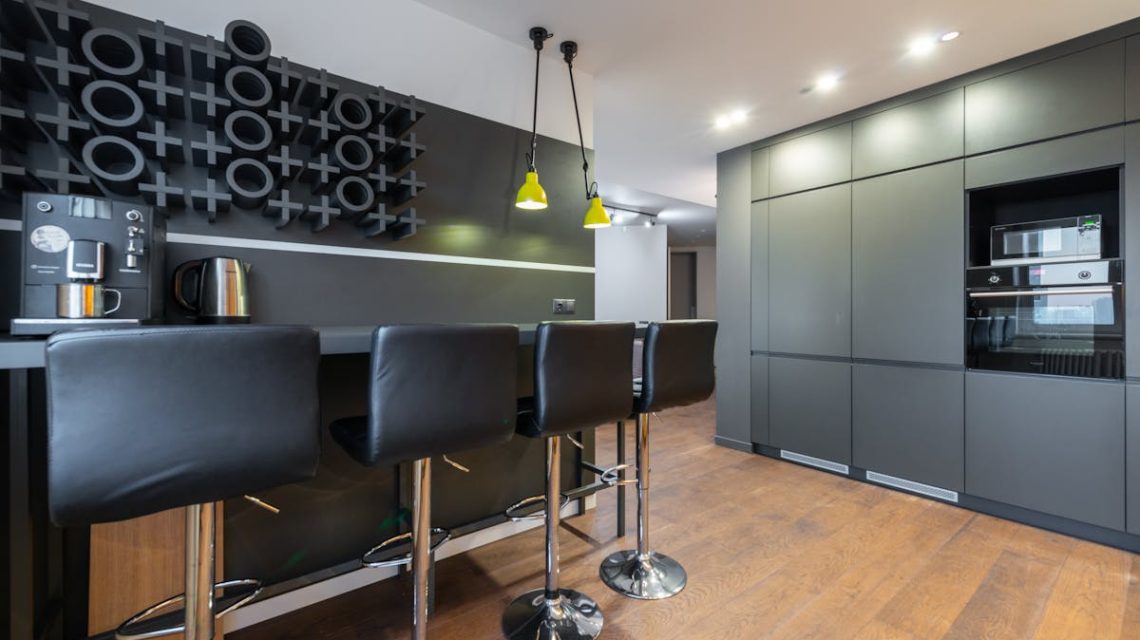
Meanwhile, kitchen bar stools are typically more versatile, and are often used in social or multifunctional spaces like open-plan layouts or a home bar. As such, you’re more likely to find a sleek, minimalist design incorporating backless, lightweight, and swivel features to prioritise movement and visual interest.
Design
Speaking of design elements, whilst both kitchen bar stools and breakfast bar stools are available in a range of different vibes, there are certain effects that are more commonly found in each.
Breakfast bar stools typically lean towards a more traditional or rustic aesthetic – think warm wood finishes, comfy upholstery, and a more substantial base that brings a homey feel to the space. On the flip side, kitchen bar stools usually embrace a modern, industrial, and minimalist style, incorporating materials like metal, leather, plastic, and chrome.
Placement
Placement is another key differentiator. Breakfast bar stools are usually found at a kitchen island or a dedicated breakfast counter and therefore tend to blend seamlessly into the overall kitchen theme.
Kitchen bar stools, however, often play a larger role in defining zones within an open-plan area. They work well in transitional spaces as a zoning technique that enhances visual interest but also maintains a functional flow within the home.
Accessibility
Finally, consider who will be using the seating. Breakfast bar stools are generally considered more accessible for children, elderly individuals, or anyone with mobility issues, primarily due to their lower height and higher backs.
Final Thoughts
So, there you have it: the key differences between breakfast bar stools and kitchen bar stools. The right choice can transform your kitchen in both style and function, so really take your time to mull it over.
Consider how you use your kitchen, the look you’re going for, who will use the area, and the kind of experience you want to create. Whatever your preferences, there’s a perfect fit out there for your home!