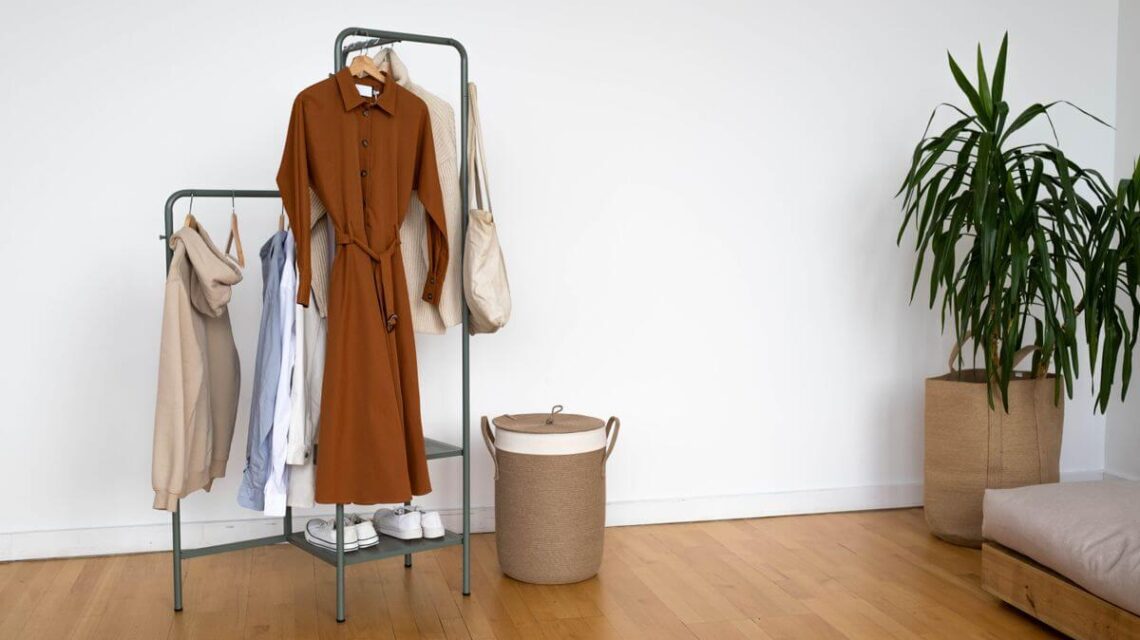
Here’s a scene you’ve probably lived through: full closet, nothing to wear. It’s not really about having too few clothes. It’s about having too many that don’t talk to each other. That’s the whole case for capsule wardrobe essentials — a small, deliberate set of pieces that actually mix and match instead of just piling up.
In short: a spring capsule wardrobe usually lands somewhere around 25 to 35 pieces — neutral basics, a statement item or two, layering pieces that can handle a 60-degree morning turning into a 75-degree afternoon. Fewer clothes, more actual outfits.
I’ll be honest, spring is the season this matters most. One day you need a jacket, by 2pm you’re sweating in it. The trend cycle doesn’t help either — everyone’s suddenly obsessed with kitten heels or barn jackets or whatever’s trending on Pinterest this week. So let’s skip past the noise and get into what’s genuinely worth keeping in rotation, and what you can quietly donate.
Quick Takeaways
Not in the mood to read the whole thing? Fair. Here’s the gist:
- Aim for 25–35 pieces total, shoes included. Not a hard rule, just a workable range.
- The essentials that do the heaviest lifting: a neutral blazer, wide-leg trousers, a lightweight trench, one dress with some personality, good denim, a few simple knits, and shoes you can walk in all day.
- Layering matters more in spring than any other season — the weather just won’t commit to anything.
- Accessories are your cheat code. New jewelry or a bag can make an old outfit feel brand new, and it costs a fraction of what new clothes would.
Why Spring Is Actually the Hardest Season to Dress For
Spring lies to you. One week it’s sandal weather, the next you’re digging out a coat you swore you’d donated. That back-and-forth is exactly why a capsule wardrobe works better here than in, say, the dead of winter — it forces you toward pieces that adapt instead of ones that only make sense for two weeks a year.
Real Simple’s guide to building a capsule wardrobe makes a point I think gets missed a lot: this isn’t minimalism as an aesthetic. It’s about owning fewer things that actually earn their spot in your closet. Once you stop buying for the trend and start buying for the fit — literally and figuratively — decision fatigue mostly takes care of itself.
If this is your first time trying it, our beginner’s guide to building a capsule wardrobe breaks down where to actually start, because jumping in without a plan is how people end up with more clothes than before.
The Pieces Actually Worth Your Money
You don’t need thirty items to pull this off. Somewhere between 25 and 35, shoes included, is usually enough — enough that you’re not repeating the same look two days in a row, without so much that you’re not wearing half of it.
A well-fitted blazer. Throw it over a t-shirt and jeans and suddenly you look like you tried. Stick to a neutral — camel, black, soft grey — so it works with basically everything else you own.
Wide-leg trousers. They’ve had staying power for a reason. Comfortable, flattering on most people, dressy enough for work but relaxed enough for brunch. If you’re not sure how to wear them yet, our guide to styling wide-leg pants for spring is a good starting point.
A lightweight trench or utility jacket. This is where spring layering either works or falls apart. Too heavy and you’re sweating by noon. A trench in a neutral tone goes over dresses, jeans, whatever — it doesn’t ask much of you.
One statement dress. Doesn’t have to be neutral. Slip dress, wrap dress, whatever actually feels like you — pick one in a color or print you’re genuinely excited about. Let it be the loud piece in an otherwise quiet wardrobe.
Classic denim. Mid-wash or dark indigo, well-fitted, nothing too distressed. This will outlast almost everything else in your closet, and it won’t look dated in two years.
Simple knit tops. The unglamorous workhorses. Wear them under blazers, tucked into trousers, on their own with a good necklace. Two or three neutral colors is plenty — more than that and you’re just duplicating.
Comfortable flats or loafers. Give your feet a break from boots. A pair of leather loafers or simple ballet flats in a neutral shade covers errands, dinner, everything in between.
The Real Skill Is Styling, Not Shopping
Here’s the part people skip: buying seven good pieces doesn’t automatically get you dozens of outfits. That takes some actual rotating — accessories, layering, proportions.
Tuck a plain tee into wide-leg trousers with a belt one day. Next day, same outfit, swap the belt for a scarf and it reads completely different. Throw the trench open over the statement dress on a chilly morning, then ditch it by 2pm. A chunky necklace or a decent pair of gold hoops can make yesterday’s jeans-and-tee combo feel like a new outfit entirely — no new clothes required.
And accessories genuinely are where the trend energy lives right now. Google’s own trend reporting has flagged repeated spikes in searches for statement jewelry each spring — chunky necklaces, cuff bracelets, that kind of thing. People are already doing this, whether or not they’d call it a “capsule wardrobe.”
Also Read: Fashion Essentials for a Warm and Stylish Winter
Where Capsule Wardrobes Usually Go Wrong
The most common mistake isn’t buying too little. It’s buying six nearly identical white t-shirts and calling it a capsule. Real variety in silhouette and layering matters more than volume.
Second mistake: skipping the edit. You have to actually pull everything out of your closet and be honest about what you wear versus what you’re hoping fits again someday. Keep the first pile. Donate the second.
And don’t let “capsule” turn into “boring.” The whole point is that getting dressed should be easier, not stricter. Leave room for something a little impractical, a little fun — you’ll thank yourself later.
Frequently Asked Questions
How many pieces should be in a spring capsule wardrobe?
Somewhere between 25 and 35, shoes included. It’s not a strict rule — just enough to give you real variety without turning your closet into a decision-making nightmare.
What are the must-have capsule wardrobe essentials for spring?
A neutral blazer, wide-leg trousers, a lightweight trench or utility jacket, one dress with some personality, good denim, simple knit tops, and shoes you can actually walk in. That’s the short list, and it covers more ground than you’d think.
How do you keep a capsule wardrobe from feeling boring?
Rotate the accessories, not the clothes. A different belt, a bolder necklace, a bag in a color you don’t usually reach for — small swaps like that keep a small closet feeling like it’s not the same seven outfits on repeat.
Is a capsule wardrobe cheaper than a regular wardrobe?
Usually, yes, over time. You’re buying fewer things but better ones, meant to be worn on repeat instead of trend pieces that quietly fall out of rotation by August.
What’s the difference between a capsule wardrobe and minimalism?
Minimalism is often about owning as little as possible, full stop. A capsule wardrobe cares more about variety — making sure every piece works with several others, not about keeping the closet empty for its own sake.
Final Thoughts
Building a spring capsule wardrobe isn’t really about owning less. It’s about making sure everything you own actually works together, so getting dressed stops being a fifteen-minute negotiation with yourself every morning. Start with the seven pieces above. Be honest about what you’ll actually wear. And let a new necklace or a good bag do the heavy lifting when you want something to feel new again.